
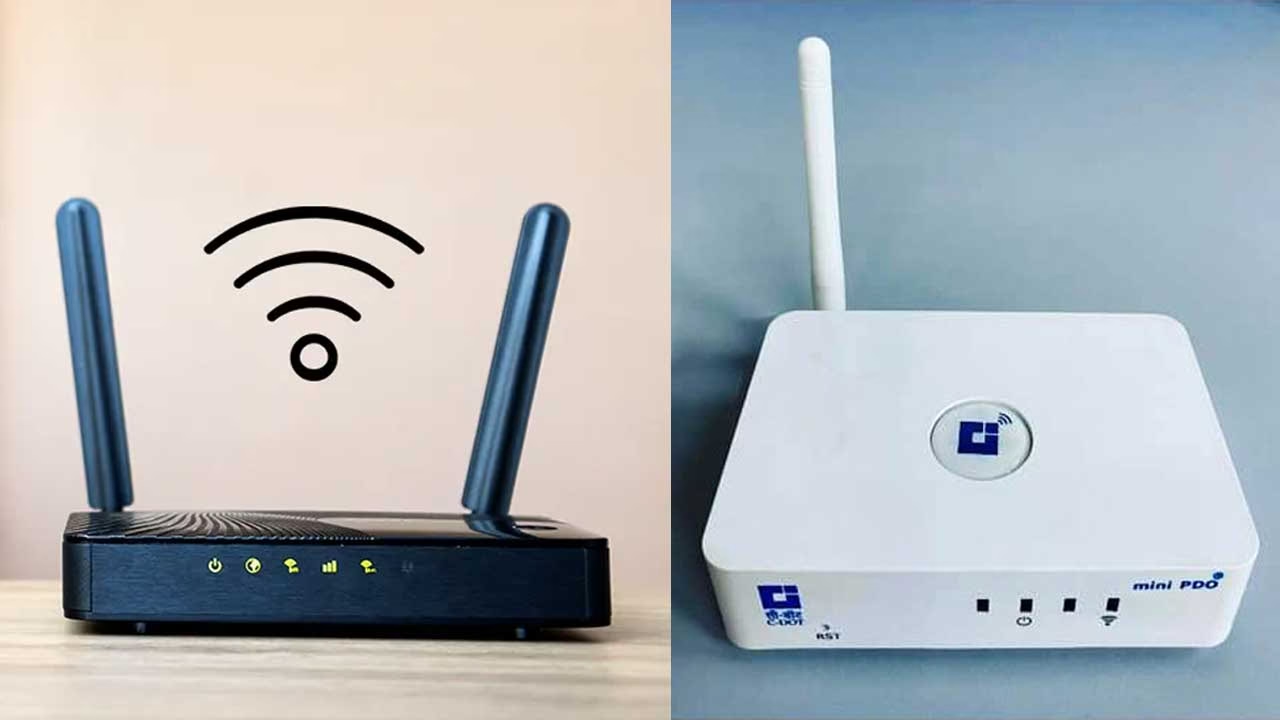
People rarely look at public internet access as a friendly companion, yet PM Wani tries to make it feel that way. It slips into India’s digital space with a casual, inclusive vibe, aiming to make Wi-Fi as common as street-side conversations and everyday chai breaks.
Understanding the PM Wani Concept
The Prime Minister Wi-Fi Access Network Interface is designed to remove barriers in public connectivity. It opens a pathway for tiny shops and micro-businesses to offer Wi-Fi without licenses, creating a flexible and open environment where anyone can join the journey of digital participation.
Decentralised Hotspot Culture
The scheme moves away from dependence on major telecom operators. Instead, it empowers neighbourhood outlets to create small Wi-Fi zones. These hotspots pop up across local markets, stations and community areas, bringing stable internet access closer to people who normally struggle with expensive data plans.
Role of Key System Participants
PM Wani works through several simple but effective roles. Public Data Offices distribute Wi-Fi, while providers maintain backend systems. App creators help people discover available hotspots, and registrars support the overall structure. These roles blend efficiently, keeping the system easy for businesses and users.
Freedom From Licensing Hassles
One of the most refreshing features of PM Wani is the absence of licensing requirements. Small vendors do not face government paperwork or operational restrictions. This freedom encourages more participants, expanding Wi-Fi availability and naturally improving the digital footprint of towns, villages and busy centres.
Boost for Online Businesses
When users get easy, affordable public Wi-Fi, they naturally spend more time online. This pushes digital services, shopping platforms, entertainment apps, and educational tools into new areas. Businesses reach broader audiences, and users gain confidence in using online platforms for everyday needs.
Support for Students and Job Seekers
Young learners and job hunters often depend entirely on mobile data for online classes, applications and exam forms. PM Wani hotspots placed near hostels, coaching centres and busy markets reduce pressure on costly data packs. This creates a fairer environment for those who rely heavily on digital access.
Encouraging Local Entrepreneurship
The scheme turns ordinary vendors into small digital service providers. A tea shop owner or grocery store can offer paid Wi-Fi, earning extra income without large investments. This small but steady revenue stream strengthens local economies and gives micro-entrepreneurs a stronger digital presence.
Strengthening Rural Digital Growth
Rural regions often experience weak connectivity and high data costs. PM Wani introduces stable public hotspots that help farmers, traders and villagers access government portals, market rates and online payments. A simple Wi-Fi point can transform how rural communities interact with digital services.
Enhancing Public Service Access
Government services increasingly rely on online platforms. PM Wani supports this transition by offering convenient access in public spaces. People can update documents, apply for schemes or download certificates without worrying about data limits. This helps bridge the gap between rural citizens and digital governance.
Impact on Digital Tourism
Tourists often struggle with unstable mobile networks in crowded attractions. Public hotspots under PM Wani give them smoother access for navigation, bookings and translations. Local businesses also benefit as visitors spend more time exploring, sharing content and discovering nearby services through online searches.
Apply Now
Encouraging Innovation in Connectivity
The scheme inspires developers to create new apps, authentication systems and digital tools tailored for public Wi-Fi usage. These innovations improve user experience, promote secure access and push India toward modern digital standards. As more hotspots appear, the opportunity for tech-driven solutions grows wider.