

Editing a photo used to begin with adjusting brightness, contrast, and shadows, often through trial and error. A photo editing app with prompt changes that starting point completely. Instead of touching controls, users begin with imagination. By describing a scene in words, the app interprets intent and mood, turning language into visual transformation. This shift feels less like technical editing and more like directing a creative vision through storytelling.
Understanding Prompt-Based Photo Editing
A prompt-driven photo editing app works by analyzing written descriptions and translating them into visual changes. The user explains what they want the image to feel like, not just how it should look. The app understands elements such as lighting, emotion, composition, and artistic tone. This approach allows even beginners to create complex edits without knowing professional tools or design terminology.
The Role of Imagination in Modern Editing Apps
Unlike traditional apps that demand precision, prompt-based editors reward creativity. The more descriptive the prompt, the richer the final output becomes. Users can think in terms of atmosphere, drama, or character rather than exposure values. This makes photo editing accessible to writers, marketers, and everyday users who may not consider themselves designers but still want visually powerful results.
Translating a Prompt into Visual Drama
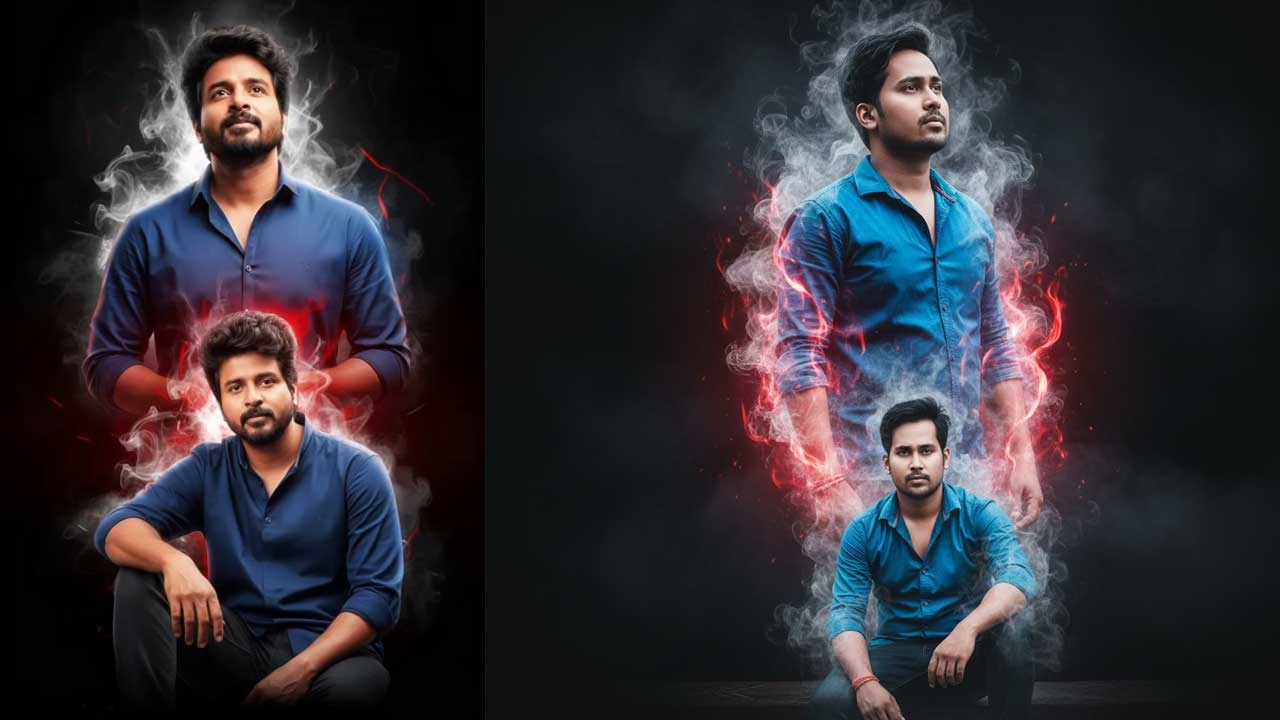
Consider a prompt that describes a man in a blue shirt, confident and standing, surrounded by glowing smoke against a dark background, with a second seated version of the same person in the foreground. A prompt-based app interprets this as a dramatic composition. It adjusts lighting, depth, and mood automatically, creating a cinematic image that feels intentional rather than mechanically edited.
Creating Multiple Visual Narratives from One Image
One of the most striking features of prompt-based editing is the ability to create layered storytelling. A single photo can become a scene with multiple versions of the same subject, each expressing a different emotion or role. The app understands context and positioning, allowing one figure to stand with confidence while another appears thoughtful or serious, all within the same frame.
Lighting and Mood Without Manual Control
Lighting is often the most challenging aspect of photo editing. Prompt-based apps handle this by interpreting emotional cues from the text. Words like dramatic, glowing, dark, or artistic guide the app to place highlights, shadows, and contrast correctly. This results in images that feel professionally lit, even though the user never touched a lighting slider or mask tool.
Artistic Styles Made Simple Through Language
Traditional filters apply a fixed look, but prompt-based apps create styles dynamically. By describing smoke, aura, glow, or cinematic depth, users guide the app toward a custom artistic style. This flexibility makes each output feel unique. The image does not look filtered but crafted, reflecting the exact mood and style described in the prompt.
Why Prompt Editing Appeals to Creators and Brands
For content creators and brands, speed and originality are essential. A photo editing app with prompt allows quick creation of high-impact visuals without hiring designers or spending hours editing. Marketing images, profile photos, and promotional visuals can be generated with consistent tone and branding simply by refining the prompt language, making this approach highly valuable in digital marketing.
Human Expression Enhanced by AI Interpretation
Prompt-based editing does not replace human creativity; it amplifies it. The user still decides the story, emotion, and concept. The app acts as an interpreter that understands visual language. This collaboration results in images that feel expressive and intentional, capturing confidence, seriousness, or mystery exactly as imagined, without the frustration of manual fine-tuning.
Accessibility and Creative Freedom for Everyday Users
One of the biggest advantages of prompt-based photo editing apps is inclusivity. People without technical skills can now create images that look dramatic and artistic. This lowers the barrier to creativity and encourages experimentation. Users can rewrite prompts, explore variations, and discover new visual styles simply by changing words, making the editing process playful and inspiring.
Prompt
A stylized image featuring a man in a blue shirt. One full-body figure of the man is standing, looking upwards, with a confident expression. Behind him, emanating from his form and surrounding him like an aura, are wisps of white smoke with hints of red glowing light, set against a dark, smoky background. A second, smaller figure of the same man is seated in the foreground, looking directly at the viewer with a serious expression. Both figures are well-lit, and the overall effect is dramatic and artistic.
As visual content continues to dominate digital communication, prompt-based photo editing apps redefine how images are created. They shift the focus from tools to ideas, from mechanics to meaning. By allowing users to describe a vision and see it come alive, these apps turn photo editing into a form of creative expression where imagination leads and technology follows.