

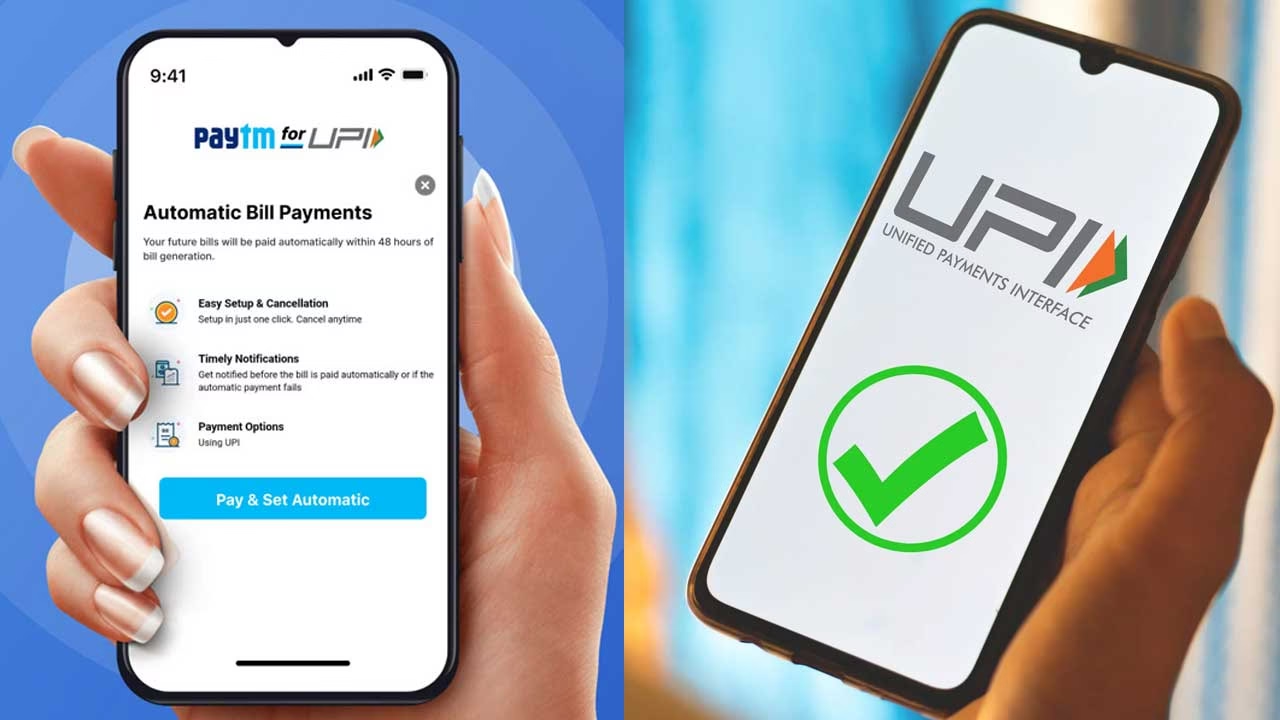
Money leaving an account without active awareness often creates more anxiety than large one-time expenses. Recurring digital payments can quietly continue long after the original purpose fades. Many users realize this only when balances fluctuate unexpectedly. Stopping UPI Auto Pay through an official and regulated support system offers a sense of financial control, ensuring that recurring deductions align with actual needs rather than outdated approvals.
Understanding the Financial Nature of UPI Auto Pay
UPI Auto Pay is essentially a pre-authorized digital mandate that allows scheduled deductions directly from a bank account. These mandates are commonly used for subscriptions, insurance premiums, investment plans, and loan repayments. While the system is designed for convenience, it operates silently in the background. This makes it crucial for users to periodically review and manage active mandates to maintain financial accuracy and prevent unnecessary outflows.
Why Unchecked Auto Pay Mandates Become Costly
Small recurring deductions often go unnoticed because they feel insignificant individually. Over months, these amounts accumulate into substantial expenses that reduce savings and liquidity. Unused or forgotten mandates directly impact budgeting, especially for households managing multiple digital subscriptions. Stopping unnecessary UPI Auto Pay instructions helps restore control over cash flow and ensures that every debit reflects an intentional financial decision.
Importance of Using an Official Resolution Channel
Handling mandate-related issues through unofficial routes or random app settings can introduce risk. Financial actions involving bank-linked payments require proper authentication, documentation, and traceability. An official NPCI-managed support system ensures that every request is logged, verified, and processed through regulated banking channels. This structured approach protects users from errors, disputes, and unauthorized changes while maintaining compliance with national payment standards.
Role of NPCI in Mandate Governance
The National Payments Corporation of India oversees the operational integrity of UPI transactions across banks and payment platforms. Its support framework acts as a neutral authority connecting users, banks, and service providers. When a request to stop UPI Auto Pay is raised, it follows a defined resolution path. This governance model ensures transparency, accountability, and consistency in how recurring payment issues are handled nationwide.
Identifying Active Mandates Before Deactivation
Many users are unaware of how many auto debit instructions are active on their accounts. Identifying these mandates is a crucial step before stopping them. Official support processes help users trace mandates using transaction references and bank details. This clarity prevents accidental cancellation of important payments such as insurance or loan repayments while targeting only those mandates that are no longer relevant.
Bank-Level Verification and Secure Deactivation
Once a mandate cancellation request reaches the bank, internal verification protocols are initiated. Banks verify account ownership, mandate authenticity, and transaction history before proceeding. This security layer ensures that only legitimate account holders can deactivate mandates. After confirmation, the auto pay instruction is disabled, safeguarding both the user and the financial institution from unauthorized activity.
Financial Planning Benefits of Stopping Auto Pay
Removing unnecessary auto debit mandates has a direct positive effect on personal finance management. Users experience improved control over monthly expenses and can allocate funds more efficiently. This practice supports better savings habits and reduces dependency on overdrafts or emergency credit. Active mandate management becomes an essential part of responsible digital banking behavior.
Data Security and Regulatory Compliance
Payment-related data is highly sensitive and requires strict protection. Official mandate resolution systems operate under regulatory frameworks that prioritize data privacy and security. User information is accessed only for verification and resolution purposes. This controlled environment reduces exposure to fraud and builds long-term trust in digital payment systems, encouraging users to rely on official channels for critical financial actions.
Common Scenarios That Require Mandate Cancellation
Auto pay mandates often remain active after free trials, promotional offers, or discontinued services. In other cases, users change banks, close loans, or shift financial priorities without updating mandates. These situations highlight the importance of having a reliable mechanism to stop recurring payments without confusion. Timely deactivation prevents financial leakage and simplifies account management.
Developing Smarter Digital Payment Awareness
Regularly reviewing UPI mandates encourages financial awareness and accountability. Users become more conscious of subscription spending and recurring obligations. This awareness promotes informed decision-making and reduces financial stress caused by unexpected deductions. Over time, managing auto pay responsibly becomes a habit that strengthens overall digital financial discipline.
Stop Auto Pay
Regaining Control Over Recurring Payments
Stopping UPI Auto Pay through an authorized NPCI support process empowers users to take control of their finances without compromising security. It reinforces confidence in digital payments by combining convenience with accountability. When recurring payments align with real needs and verified consent, digital banking becomes not just efficient, but truly user-centric and financially empowering.