

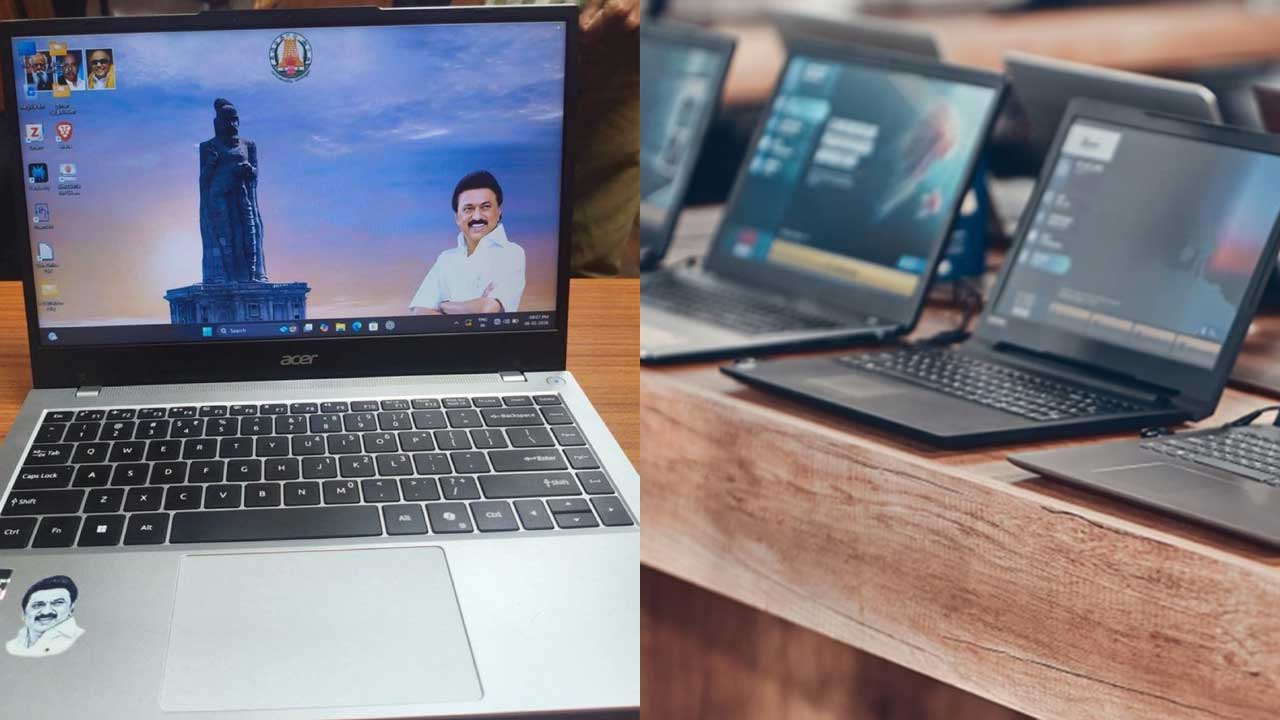
A classroom once limited to chalk dust and printed textbooks began to glow with a different kind of light when compact screens quietly entered the hands of students across Tamil Nadu. What changed was not only the method of learning but the imagination of an entire generation. The Tamil Nadu Free Laptop Scheme did more than distribute devices; it signaled a shift in how education could blend with technology in homes where owning a personal computer once felt distant. In many families, the arrival of a laptop became a proud milestone, marking progress, aspiration, and possibility.
The Vision Behind the Initiative
The Tamil Nadu Free Laptop Scheme was launched by the Government of Tamil Nadu with the goal of promoting digital literacy among school and college students. The idea was rooted in the belief that access to technology should not depend on economic status. By providing free laptops to eligible students in government and government-aided institutions, the state aimed to reduce the digital divide between urban and rural learners. The initiative recognized that education in the modern world requires not just books, but also digital tools that open doors to online knowledge, skill development platforms, and career resources.
Who Benefits from the Scheme
The scheme primarily targets students studying in higher secondary classes and selected college courses in government and government-aided institutions. Eligibility is typically linked to academic enrollment and successful completion of specific grade levels. Special consideration is often given to students from economically weaker sections to ensure inclusivity. By focusing on those who might otherwise lack access to personal computers, the scheme ensures that the support reaches households where a laptop can significantly influence academic performance and future opportunities.
How the Distribution Process Works
The distribution of laptops under this scheme follows a structured process coordinated between educational institutions and state authorities. Schools and colleges compile eligible student lists, which are verified before devices are allocated. The distribution often takes place in formal events, emphasizing the importance of the initiative. Each laptop is preloaded with essential educational software and learning materials, making it ready for immediate academic use. This systematic approach ensures transparency and organized implementation across districts.
Impact on Rural Education
In rural areas, where access to computer labs or internet centers can be limited, the scheme has had a transformative effect. Students who previously relied on shared facilities now have personal access to digital resources. This independence encourages self-learning and exploration beyond the classroom syllabus. Online tutorials, coding platforms, and competitive exam preparation materials become accessible at home. The scheme effectively narrows the educational gap between students in metropolitan regions and those in remote villages.
Encouraging Skill Development
Beyond regular schoolwork, laptops serve as tools for skill enhancement. Students can learn programming languages, graphic design, video editing, and other digital skills that are increasingly valuable in the job market. Exposure to such tools at a young age fosters confidence and creativity. Many beneficiaries report that having a personal device allows them to experiment with projects, build portfolios, and explore career paths in technology-driven industries, thereby strengthening their employability in the future.
Supporting Higher Education Aspirations
For students planning to pursue higher education, access to a laptop becomes a critical asset. College applications, scholarship searches, and entrance exam preparations often require online submissions and digital research. The scheme ensures that students are not left behind due to lack of infrastructure. With reliable access to digital tools, they can participate in webinars, online courses, and virtual internships. This exposure broadens their academic horizons and helps them compete at national and global levels.
Promoting Digital Awareness and Responsibility
Providing laptops also introduces students to the importance of responsible internet usage. Schools often guide beneficiaries on cybersecurity basics, safe browsing practices, and ethical online behavior. Learning to navigate digital spaces responsibly prepares students for the realities of modern communication and information exchange. By combining device distribution with awareness, the scheme promotes not just access, but informed and safe usage of technology.
Challenges and Areas of Improvement
While the scheme has achieved significant reach, it also faces practical challenges. Maintenance and technical support can be difficult, especially in remote areas. Some households may lack stable internet connectivity, limiting the full potential of the devices. Addressing these issues requires continued infrastructure development and support systems. Strengthening after-sales service networks and ensuring affordable internet access can enhance the long-term impact of the initiative.
Economic and Social Influence
The broader economic implications of the scheme extend beyond individual students. Increased digital literacy contributes to a more skilled workforce, attracting technology-based industries to the region. Families often view the laptop as a shared household resource, enabling parents and siblings to access information and services online. Over time, this shared access fosters a culture of digital engagement within communities, promoting economic participation and informed decision-making.
Long-Term Educational Transformation
As digital education continues to evolve, initiatives like the Tamil Nadu Free Laptop Scheme set a foundation for blended learning environments. Students become comfortable with online assignments, virtual classrooms, and multimedia presentations. This adaptability proved especially valuable during periods when physical classrooms were disrupted. The scheme has helped create a generation of learners who can seamlessly transition between traditional and digital learning formats.
Check portal
A Step Toward Inclusive Digital Growth
The story of the Tamil Nadu Free Laptop Scheme reflects a broader commitment to inclusive progress. By placing technology directly in the hands of students, the state acknowledges that opportunity should be accessible to all, not just a privileged few. Each device represents more than hardware; it symbolizes trust in young minds and investment in their potential. As technology continues to shape education and employment landscapes, such initiatives stand as reminders that empowerment often begins with access, curiosity, and the courage to innovate.